
Sub-Total: $0.00
Essential Oil Dilution Made Simple: Why Carrier Oils Matter
Open a bottle of lavender or rosemary, and the aroma reaches you before one drop touches your skin. Learning how to dilute essential oils turns that intensity into a simple, useful routine. A tiny bottle may smell gentle, yet it contains highly concentrated aromatic material. Dilution gives that material more room to spread across skin with greater control.
Key Takeaways
- Essential oils are concentrated, so straight skin application can create unnecessary exposure.
- The right dilution depends on the oil, body area, product type, and individual user.
- Carrier oils shape spread, feel, and routine while helping create a controlled topical blend.
Why Essential Oils Need More Than a Few Drops of Caution
Essential oils contain volatile aromatic compounds in a very small volume. Because of that concentration, a few drops can represent substantial skin exposure. Fragrance materials can irritate skin or trigger allergic reactions in some people. Therefore, thoughtful dilution helps keep exposure deliberate rather than accidental.
That does not make essential oils difficult to enjoy. Instead, it explains why thoughtful use matters more than “stronger is better.” Pearls of Nature already invites shoppers to explore essential oils for carefully diluted topical use.
Concentration also changes how a small bottle behaves in everyday care. One drop can influence the aroma of an entire carrier blend. Consequently, measuring that drop matters more than the bottle’s small size might suggest.
What a Carrier Oil Actually Does
A carrier oil creates a larger, more manageable base for a small amount of essential oil. As a result, the blend spreads more evenly across the intended area.
This is where plant oils become part of the experience, not merely a safety step. Pearls of Nature’s plant oils for topical carrier blends are specifically suited to essential-oil dilution.
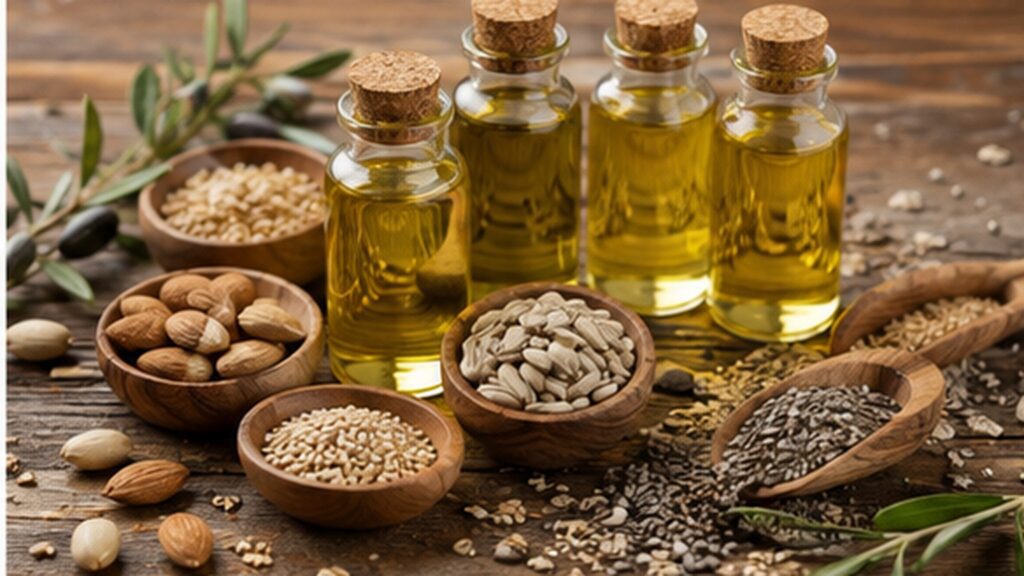
Olive Squalane offers a particularly light and silky option. Pearls of Nature describes it as olive-derived and easy to spread. Virgin Organic Baobab Oil feels richer and more cushioning. Virgin Organic Pomegranate Seed Oil offers a more concentrated, velvety feel in small amounts.
Carrier choice also affects how much product you naturally use. A highly spreadable base may cover a larger area with fewer drops. Meanwhile, a richer oil can encourage slower, more targeted application. These differences make texture part of practical formulation.
Choosing a Carrier by Texture
The best carrier is not automatically the richest or lightest oil. Instead, consider where the blend will go and how you want it to feel.
| Carrier option | Practical feel | Where it may fit |
|---|---|---|
| Olive Squalane | Light, silky, low-aroma | Face, neck, targeted body blends |
| Baobab Oil | Soft, richer, cushioning | Body, massage, dry-feeling areas |
| Pomegranate Seed Oil | Velvety, concentrated | Small facial or specialty blends |
The table is a texture guide, not a safety ranking. Essential-oil limits still depend on the aromatic ingredient and intended use.
How to Dilute Essential Oils Without One Universal Percentage
People often want one percentage that works everywhere. However, essential oil safety does not fit neatly into one number. The oil itself matters, and so does the finished product.
IFRA’s fragrance safety standards evaluate ingredients according to intended consumer use and exposure. Different product categories matter because leave-on and rinse-off products create different exposure patterns. Limits also apply to the finished consumer product rather than the aromatic ingredient alone.
For example, 1% means one part essential oil within 100 parts of finished blend. That math describes concentration, but it does not approve every oil for that level.
A simple formula is:
Essential oil amount = finished batch size × chosen concentration
Choose that concentration only after checking the oil’s directions and relevant restrictions. When several essential oils share one blend, their combined concentration also matters.
Batch size can make the math feel more intuitive. One percent of a 30-milliliter finished blend equals 0.3 milliliters total essential oil. Still, that number remains a calculation rather than a universal recommendation. Always check whether the selected oil permits that concentration for the intended application.
Leave-On and Rinse-Off Use Change the Conversation
A body oil remains on skin until it wears away or gets washed off. A cleansing product may contact skin briefly before rinsing. Therefore, identical percentages do not always represent identical exposure.
Surface area matters as well. Applying a blend to both legs uses more product than treating one small area. Facial skin, freshly shaved skin, and other sensitive areas also deserve additional care.
Frequency adds another practical layer. A blend used occasionally creates a different routine from one applied several times each day. Therefore, consider concentration, surface area, contact time, and frequency together.
The differences become easier to see when you consider how the finished product actually meets the skin.
| Use pattern | Exposure question | Practical approach |
|---|---|---|
| Small leave-on area | How long will the blend remain? | Follow oil-specific guidance and use modest amounts |
| Large leave-on area | How much skin receives repeated exposure? | Recheck concentration and total amount |
| Rinse-off product | How long is direct contact? | Follow guidance for that product type |
| Sensitive or damaged skin | Is the skin already compromised? | Avoid use until skin is comfortable |
This is why learning how to dilute essential oils involves context, not just arithmetic. A safe-use decision should match the exact oil and application.
Product-Specific Restrictions Come Before a Favorite Recipe
One recipe should never travel automatically from lavender to bergamot, rosemary, lemongrass, or every other oil. Individual aromatic materials can have different restrictions depending on intended use.
Pearls of Nature’s product pages show why this matters. Calabrian Bergamot and Italian Lemon include sunlight precautions after topical use. Rosemary Cineole Essential Oil includes additional guidance concerning use around infants and young children.
Those instructions should outrank a general dilution chart found elsewhere. Therefore, begin with the exact bottle you plan to use. Read its Safety section before measuring anything.
For a practical example, Pearls of Nature explains how to dilute rosemary oil for hair safely in a scalp routine. That routine should not become a universal recipe for every essential oil.
Why “Natural” Still Deserves Respectful Measurement
Natural origin does not guarantee that every concentration suits every person. The FDA explains that fragrance ingredients in cosmetics must be safe under labeled or customary conditions. It also recognizes that cosmetic allergens and allergic reactions can affect some consumers.
Essential oils can scent a room from only a few drops. Skin application therefore deserves similar respect for concentration.
Individual sensitivity can also change over time. Stop use if burning, persistent itching, swelling, or a rash develops. Patch testing may reveal an obvious reaction, although it cannot predict every future response.
Avoid eyes, mucous membranes, broken skin, and freshly shaved skin. Pregnancy, nursing, children, medications, or ongoing skin concerns may require qualified guidance.
A Simple Way to Build a Diluted Blend
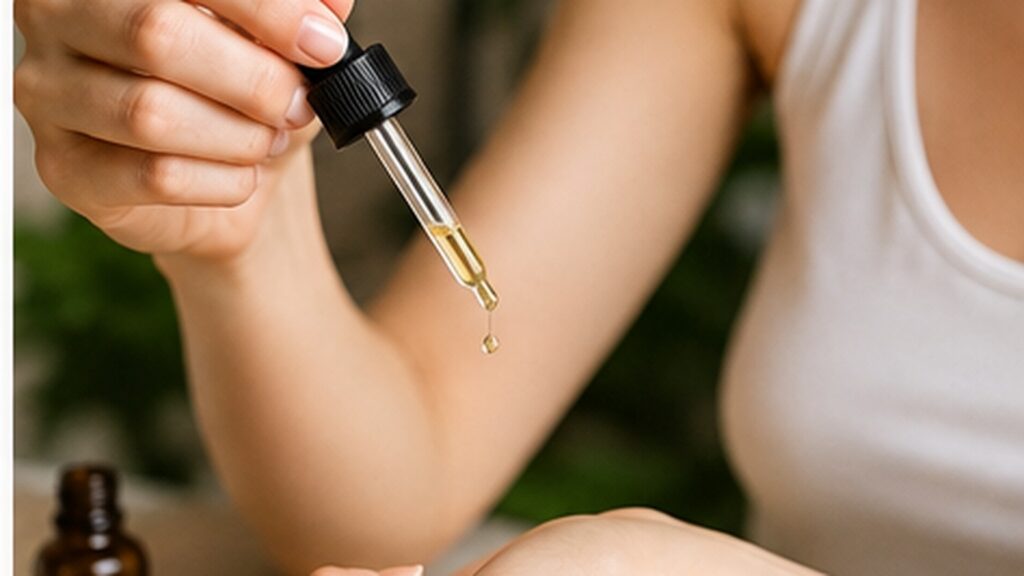
Start with the purpose, not the essential oil bottle. Decide whether you are making a facial oil, body oil, massage blend, or another topical product. Then choose a carrier that gives the texture you want.
Next, review the individual essential oil directions and any product-specific restrictions. Determine an appropriate concentration for that exact use. Measure the finished batch rather than adding drops until the aroma seems strong enough.
Small batches can make experimentation easier. They reduce waste and let you evaluate texture before preparing more product. Likewise, keeping simple notes helps you repeat a blend that feels comfortable and pleasant.
Finally, label the blend with its ingredients, concentration, and preparation date. Use a small amount first and notice how the finished product feels. If the routine remains comfortable, you can repeat it without making it more concentrated.
Pearls of Nature’s essential oils make aromatic exploration approachable. Meanwhile, its plant oils provide several carrier textures. The result can feel personal and enjoyable without turning safety into guesswork.
How to Dilute Essential Oils With Confidence
Once you understand concentration, carrier choice, and exposure, dilution becomes much less intimidating. Learning how to dilute essential oils means matching aromatic materials with thoughtful use.
Olive Squalane can keep a blend light and minimal. Baobab Oil can make the ritual feel richer. Pomegranate Seed Oil can add a velvety specialty touch.
If this style of natural care fits your routine, begin simply. Choose one essential oil, one suitable carrier, and one clearly defined use. Careful measurement can make the experience enjoyable and confidently considered.
Disclaimer: This content is intended for educational purposes and not as a substitute for professional medical advice.
