
Sub-Total: $0.00
Essential Oils: Natural Remedies for Health and Mood
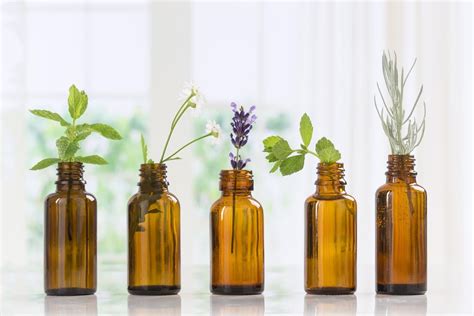
Essential oils are highly concentrated plant extracts. They are rich in volatile compounds like terpenes and phenols. These oils are known for their rich aromas and potent biochemical properties. Increasing evidence suggests they may support physical and emotional wellness. These benefits range from calming the mind to offering natural antimicrobial and anti-inflammatory actions. Here’s an in‑depth look at the science behind their claimed benefits and safe usage guidelines.
Antimicrobial & Anti‑Inflammatory Properties
Essential oils like cinnamon, thyme, rosemary, lemon, orange and cumin are well‑studied for their antimicrobial and anti‑inflammatory effects. A comprehensive review found these oils can inhibit pathogens, reduce inflammation, and act as antioxidants—with potential benefits for metabolic syndrome, gut health, and even cancer prevention (performancehealth.com, pmc.ncbi.nlm.nih.gov).
Stress, Anxiety & Mood Enhancement
Several clinical trials and systematic reviews show essential oils can reduce anxiety, depression, fatigue, and improve quality of life.
Lavender
Used via inhalation, lavender oil has been shown to significantly reduce anxiety across 10 of 11 clinical trials (pmc.ncbi.nlm.nih.gov). It also exhibits pain‑reduction effects in procedural settings like epidural administration (pmc.ncbi.nlm.nih.gov).
Bergamot, Chamomile, Orange, Melissa (Lemon Balm)
These oils have demonstrated anxiolytic and analgesic properties via inhalation or massage in randomized controlled trials (pmc.ncbi.nlm.nih.gov).
Ylang‑ylang
Clinical studies in neuropathic models revealed both pain relief and mood improvements (pubmed.ncbi.nlm.nih.gov).
Nervous System Support & Cognitive Benefits
Essential oils have shown promising effects on cognitive function, stress, sleep, memory, and neurologic symptoms. One scoping review attributes antistress, anxiolytic, analgesic, and cognitive enhancements to compounds in lavender, rosemary, citrus oils, and others—acting through neurotransmitter modulation (GABA, serotonin) (pubmed.ncbi.nlm.nih.gov).
Pain Management
Aromatherapy may provide short‑term pain relief via olfactory stimulation. Studies have found essential oils reduce acute pain, including labor‑related discomfort and procedural anxiety, although results vary (pmc.ncbi.nlm.nih.gov).
How Essential Oil Chemistry Works
Active components like linalool, linalyl acetate (lavender), cinnamaldehyde (cinnamon), eucalyptol, and β‑linalool (coriander) exert pharmacological effects—modulating bacterial membranes, reducing inflammation, and interacting with neuroreceptors (pmc.ncbi.nlm.nih.gov).
Practical Applications & Safety
Common Uses
- Diffusion or inhalation: for mood & stress relief
- Diluted topical application: blended with carrier oils for massage or skin care
- Steam inhalation: to support respiratory comfort
📌 General Dilution: 1% for children/elderly, 2–5% for adults.
📌 Patch‑testing: always test skin compatibility.
📌 Caution: Citrus oils can cause phototoxicity; lavender & tea tree have rare endocrine concerns in children (en.wikipedia.org, revivalportal.goodwood.com).
Evidence‑Based Resources
- [Aromatherapy: therapeutic applications of plant essential oils – Minn Med, 2002]: Overview of essential oil applications and mechanisms (pubmed.ncbi.nlm.nih.gov)
- [Essential oils: a systematic review … – PMC]: Covering antimicrobial, antioxidant, anti‑inflammatory effects (pmc.ncbi.nlm.nih.gov)
- [The Effects of Essential Oils on the Nervous System – PMC]: Detailing neuroprotective, anxiolytic, cognitive effects (pmc.ncbi.nlm.nih.gov)
In Summary
Essential oils offer a scientifically supported, complementary approach to wellness:
| Benefit Area | Supported Effects |
|---|---|
| Physical | Antimicrobial, anti‑inflammatory, antioxidant, analgesic |
| Emotional/Mental | Anti‑anxiety, mood-enhancing, cognitive support |
| Neuro‑protective | Possible benefits for stress, memory, sleep |
They are best used as adjuncts, not stand-alone treatments. Choose quality-certified oils, adhere to dilution/safety guidelines, and consult a healthcare provider—especially if pregnant, under care, or facing serious illness.
So, if you are looking to uplift your mood or bring balance to your day the natural way, explore the world of essential oils with one of the many selections from Pearls of Nature. For calming and relaxation, try the Bulgarian Lavender Essential Oil, known for its soothing floral aroma that’s perfect for winding down in the evening. Seeking a bright boost of energy? The Citrus Bergamia (Bergamot) Essential Oil offers a sweet, citrusy scent that helps elevate mood and ease tension. If you need mental clarity or respiratory refreshment, the crisp notes of Eucalyptus Radiata Essential Oil are ideal for morning routines or steam inhalation. For grounding and focus, try the Cupressus Sempervirens (Cypress) Essential Oil, with its clean, woodsy aroma often used in meditation and emotional centering. Lastly, indulge in the exotic floral richness of Ylang Ylang Extra Essential Oil, cherished for its sensual and calming effect on both mind and body. Whether used in aromatherapy, diffusers, or diluted topical blends, these pure essential oils provide a beautiful path to wellness. Reverse the stress cycle and help nourish your body and mind—naturally.
Disclaimer: This content is intended for educational purposes and not as a substitute for professional medical advice.
