Sub-Total: $0.00
The History of the Oil Cleansing Method (OCM)
Travel back in time to ancient civilizations, where people embraced oil cleansing as a vital part of their skincare rituals. Although we don’t know its exact origins, cultures across the globe have practiced the oil cleansing method (OCM) for centuries.
In ancient Egypt, Cleopatra became famous for her radiant skin. She reportedly used a blend of olive oil and milk to purify her complexion. The Greeks and Romans also relied on olive oil for cleansing. They often mixed it with ash or sand to exfoliate and refresh their skin.
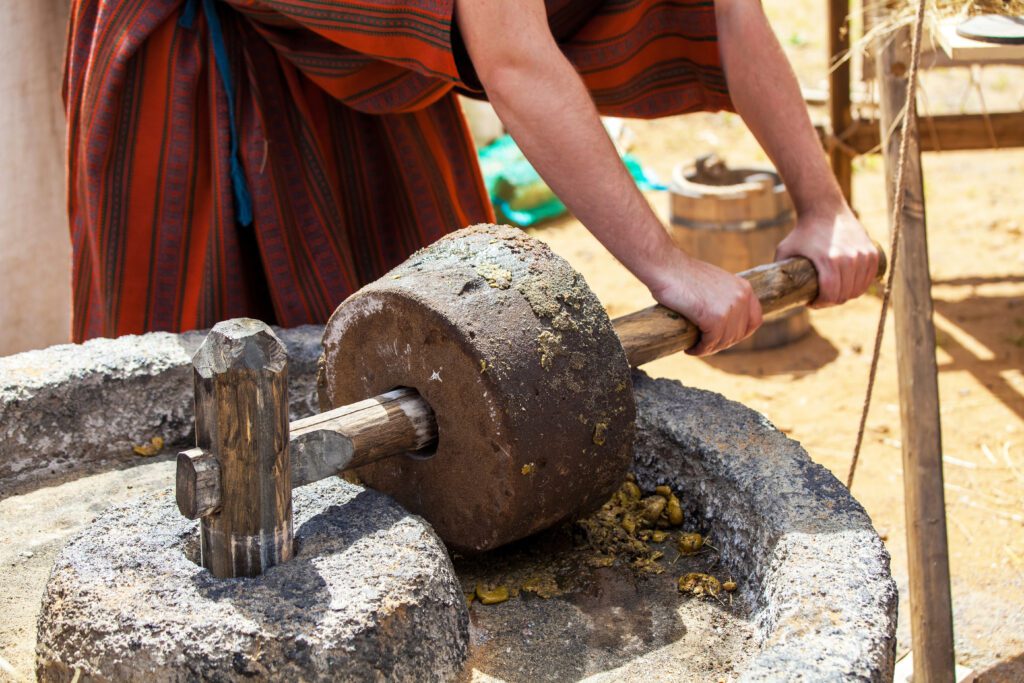
As the practice evolved, oil cleansing gained popularity in Japan. Women there carefully used local plant oils to cleanse their skin, preserving this tradition through generations. In Korea, the method developed into the now-famous “double cleanse.†The first step uses oil to remove makeup and impurities. The second step involves a water-based cleanser to wash away residue.

In recent years, oil cleansing has surged in popularity, especially in the West. Korean beauty trends and a growing demand for natural skincare have propelled its rise. People now turn to oil cleansing as a gentle, effective solution for a wide range of skin types and concerns.
Today’s market offers a variety of oil cleansers tailored to different skin types. You can choose from pre-formulated blends or create a custom mix of oils. Either way, oil cleansing invites you to enjoy a soothing, effective ritual that nurtures the skin.
If you’re new to oil cleansing, start gradually. Use it once a day and increase frequency as your skin adjusts. Choose oils suited to your skin type—lightweight oils work best for oily skin, while richer oils nourish dry complexions.
Embrace the time-honored tradition of oil cleansing and embark on a journey towards revitalized, balanced, and radiant skin.
Click here to purchase Pearls of Nature’s best in class Oil Cleansing Complex.
